
Pomsky Puppies For Sale

Table of Contents
No List Found Puppies
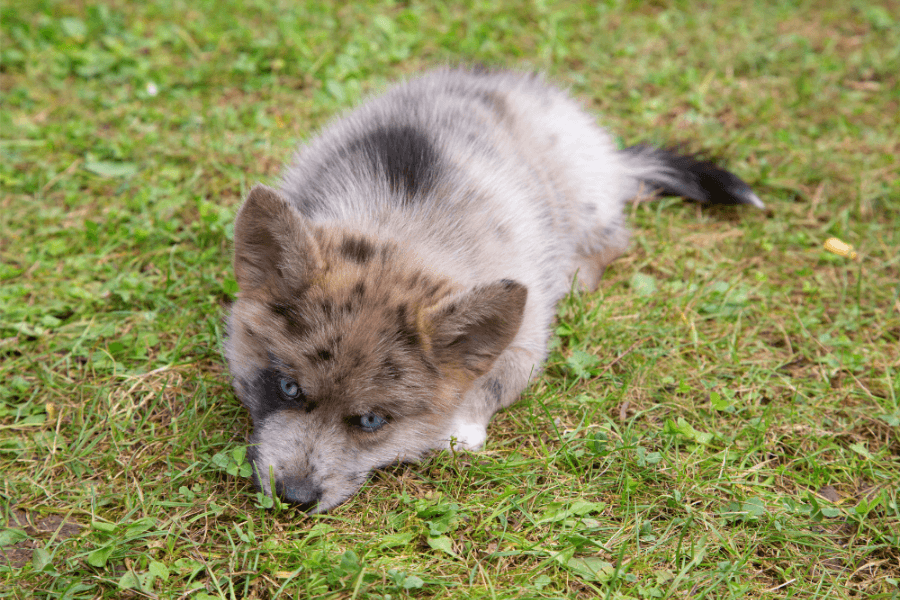
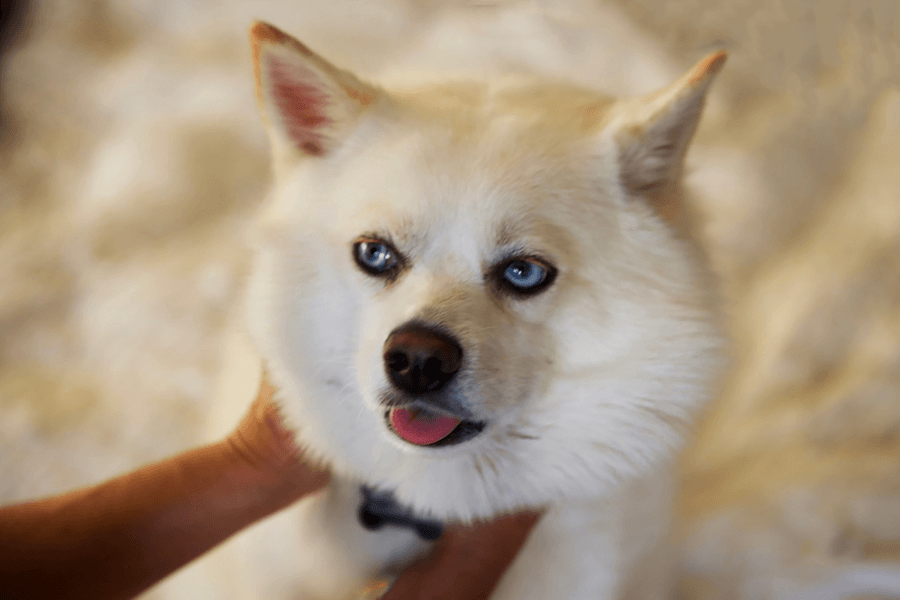
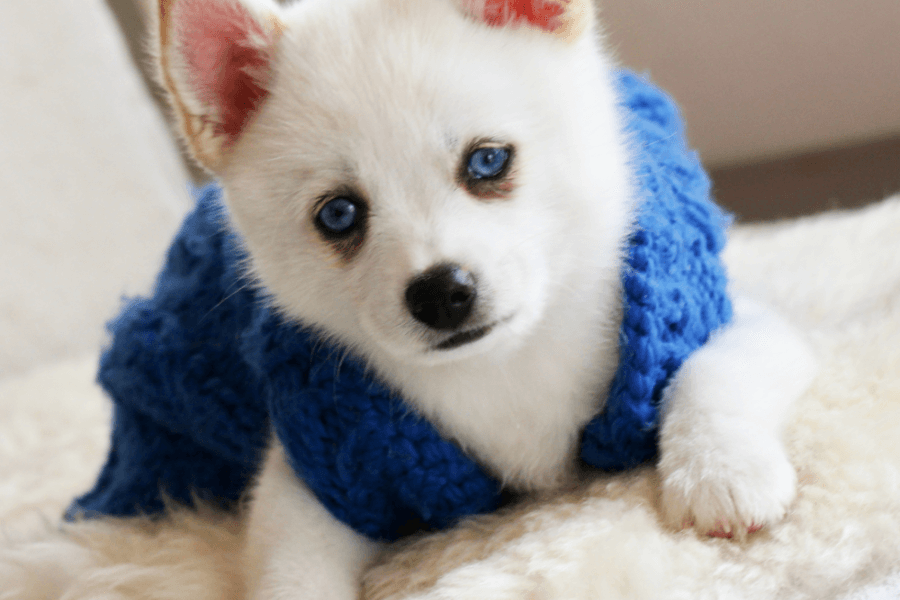
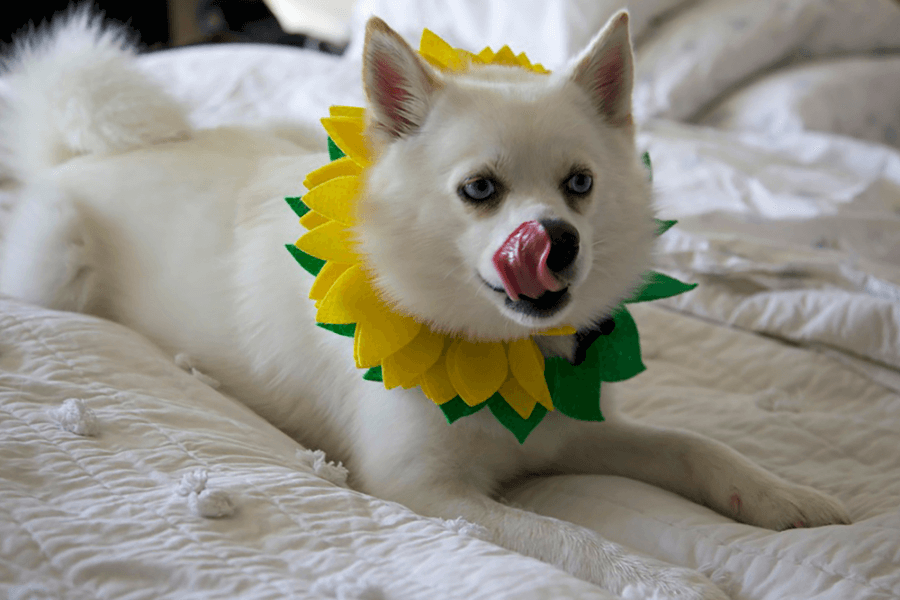
Pomsky Puppies For Sale
All of our puppies at William Goh’s pet farm come with a free deworming, microchip, vaccination & health check.
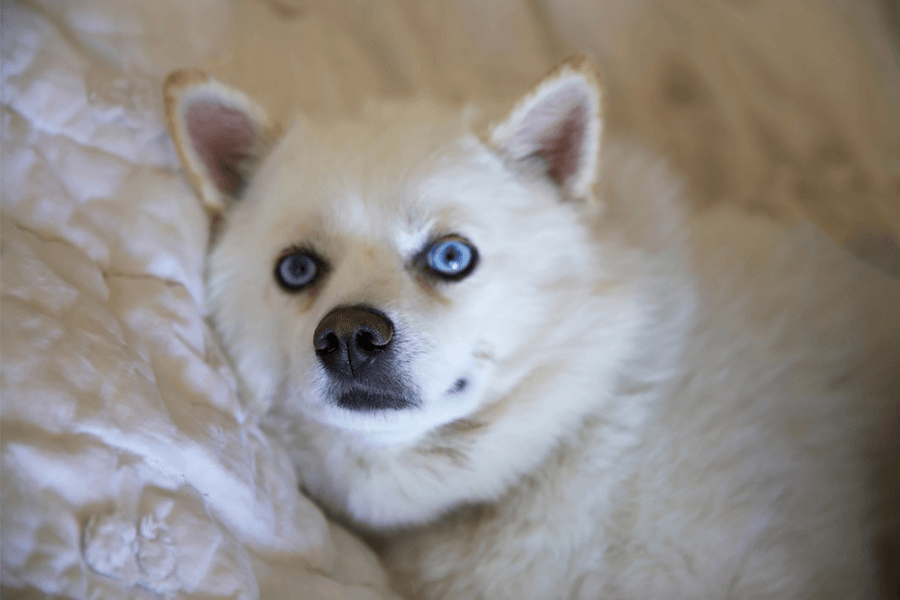
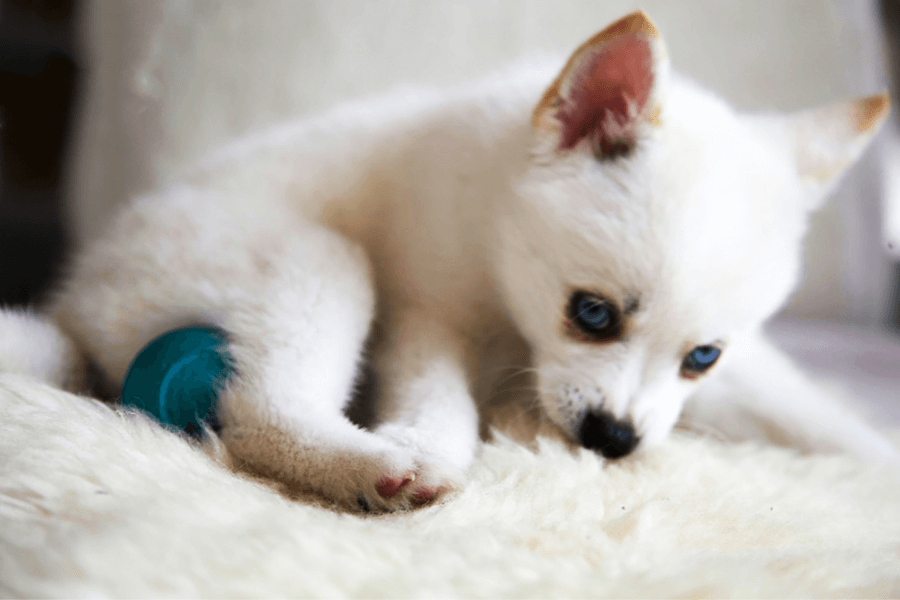
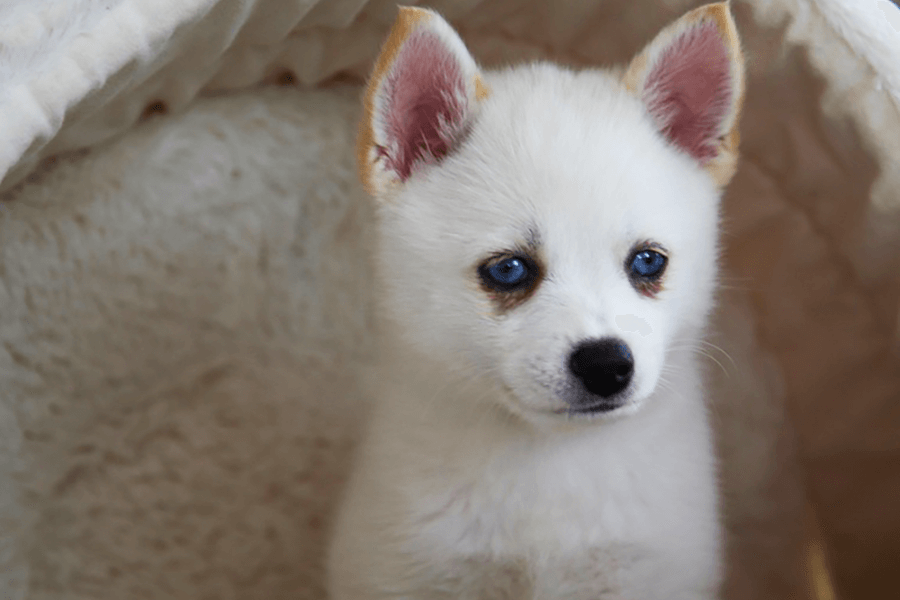
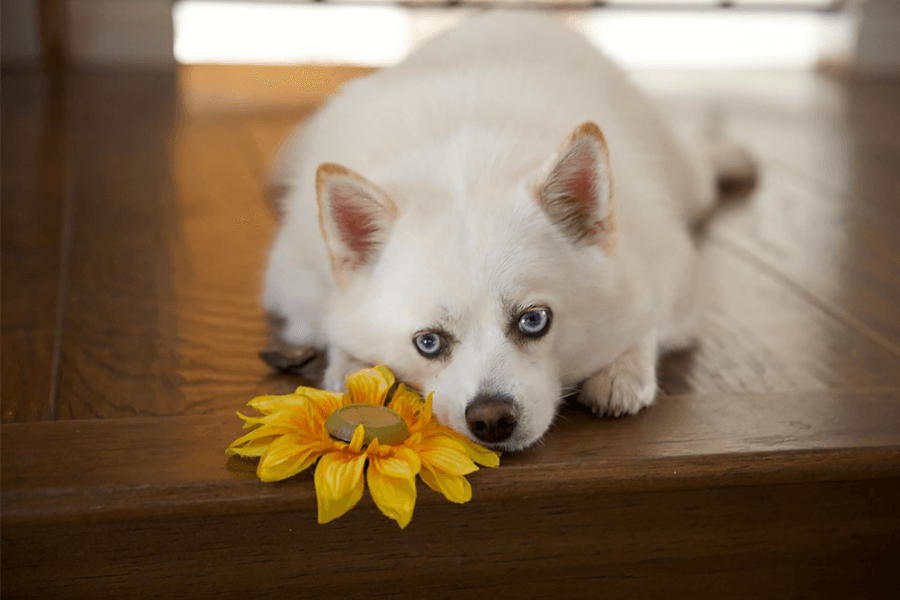

Use Web Whatsapp? Click Here
Introduction
These adorable puppies were originally bred to create a smaller version of the Husky with the playful personality of a Pomeranian.
Their name combines “Pom” from Pomeranian and “sky” from Husky, perfectly describing their hybrid heritage.
Here are some essential considerations when bringing home a Pomsky puppy, including proper socialization techniques to prevent separation anxiety.
These intelligent companions require consistent puppy training and puppy exercise to manage their energetic zoomies and prevent boredom-related behaviors like excessive puppy barking.
When potty training your new Pomsky, patience is key, as establishing a routine helps prevent accidents.
If you’re looking for Pomsky puppies for sale from responsible breeders who prioritize health testing for issues like hip dysplasia, read on. You can also check out the Singapore Kennel Club for more information on responsible breeding and dog ownership.
Highlights
Breed Information
Weight (male) : 9-14 KG
Weight (female): 7-12 KG
Life Expectancy: 12-15 years
Group: Hybrid Breed
Temperament
Intelligent
Friendly
Energetic
Loyal
Curious
Characteristic
Highly Adaptable
Moderate to High Shedding
Energetic and Playful
Quick Learner
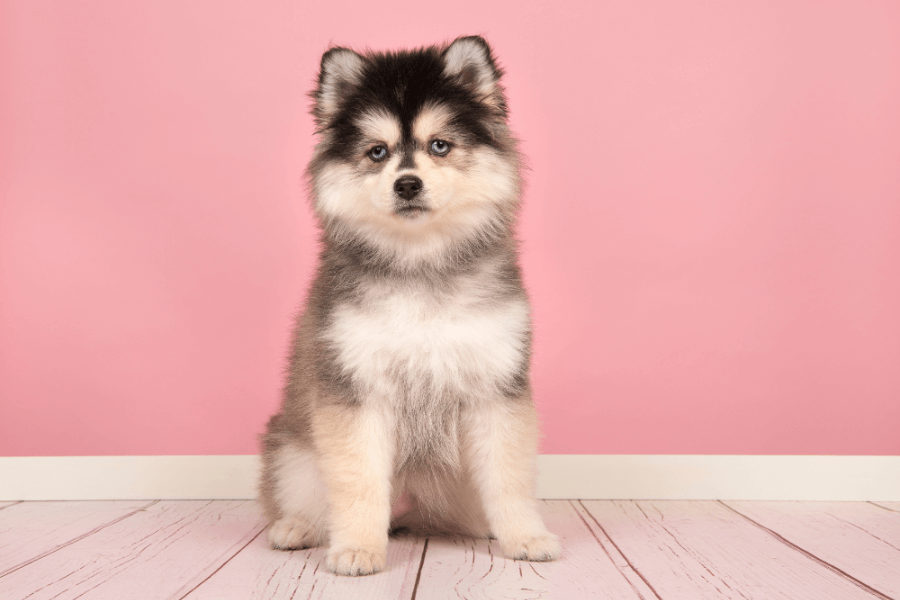
They’re known for their striking wolf-like appearance, moderate size, and playful personalities, making leash training relatively straightforward.
Unlike larger breeds prone to puppy bloating, Pomskies maintain healthy appetites with proper feeding and dog food transition schedules.
New puppy checklists should include vaccination plans, microchipping, and spaying/neutering considerations to prevent health issues like diabetes or anal gland problems.
Pomskies adapt well to apartment living but still need regular exercise to prevent boredom and behaviors like puppy whining or excessive barking.
Their life expectancy ranges from 12-15 years with proper care, making them wonderful companions who will keep your family entertained with their husky-like antics and Pomeranian affection.
Grooming
Grooming your Pomsky puppies is essential for maintaining their health and appearance.
Without regular grooming, your Pomsky might develop issues like fleas, ticks, or yeast infections that can lead to excessive panting or licking paws.
Pomsky puppies should have a bath every 6-8 weeks to preserve their natural oils while keeping them clean and preventing that smelly dog odor.
For these fluffy companions, daily brushing prevents matting, especially during puppy teething and seasonal shedding periods.
Professional dog grooming services can help with specialized care including nail issues and anal glands expression.
If you’re bringing home a Pomsky puppy, add grooming tools to your new puppy checklist.
Home grooming creates bonding time while helping you spot potential health concerns like dry nose or eye infections before they become serious problems.
Personality
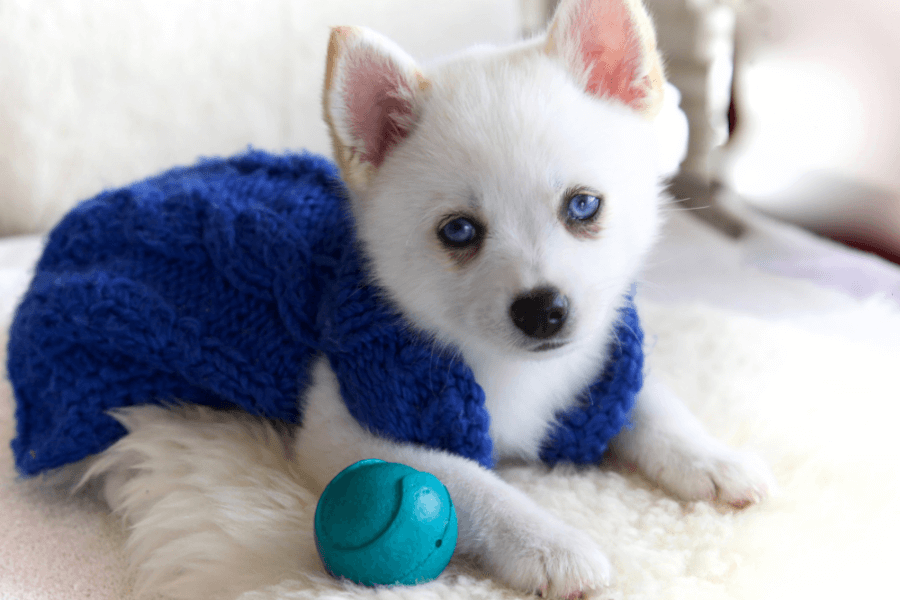
These adorable designer dogs combine the intelligence of the Husky with the compact size of the Pomeranian, making them ideal for various living situations.
They’re known for their lively personality and can sometimes display a stubborn streak, especially during training sessions.
Despite occasional stubbornness, Pomskies are incredibly affectionate and form strong bonds with their families, potentially developing separation anxiety if left alone too long.
Regular exercise is essential to prevent boredom and potential behavior issues like excessive barking.
Pomskies are excellent family companions but require proper puppy socialization to prevent aggression toward strangers or other pets.
They generally interact well with children who understand proper pet handling.
New owners should be prepared for common puppy challenges including house training, potential puppies diarrhea issues, and establishing puppies sleep routines.
Consider pet insurance for these designer breeds, as they may inherit health concerns from both parent breeds requiring regular vet visits.
Temperament
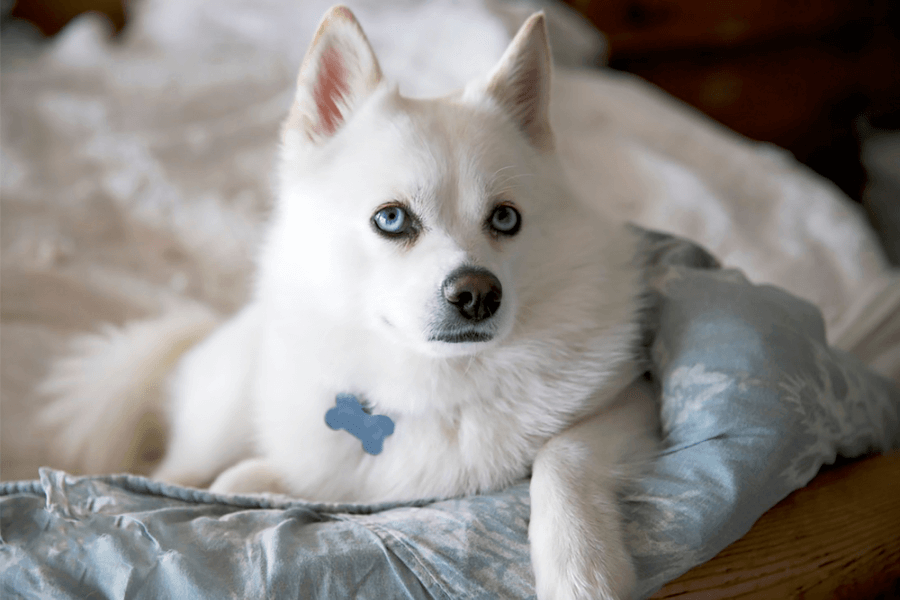
These adorable companions are highly trainable, though they can inherit a touch of stubbornness that requires consistent training to manage.
While small in size, Pomskies have energetic personalities and benefit from regular exercise in dog runs to prevent issues like humping or excessive barking that can frustrate neighbors.
Their intelligent minds need stimulation to avoid boredom-related behaviors like puppy biting or aggression, making dog training schools an excellent investment.
Pomskies form strong bonds with their families and are generally good with children, though proper socialization is essential when you introduce a puppy to an older dog.
Despite being HDB approved breeds in some locations, prospective owners should research proper care including regular bathing, dental cleaning, and fleas treatment.
Health-conscious owners should be aware of potential concerns like pancreatitis, pale gums, or cherry eye, and know the location of 24-hour vet clinics for emergencies.
With proper care including microchip identification and regular checkups, your Pomsky puppy will be a loving, energetic companion whose playful antics and devoted nature bring joy to your home.
Size
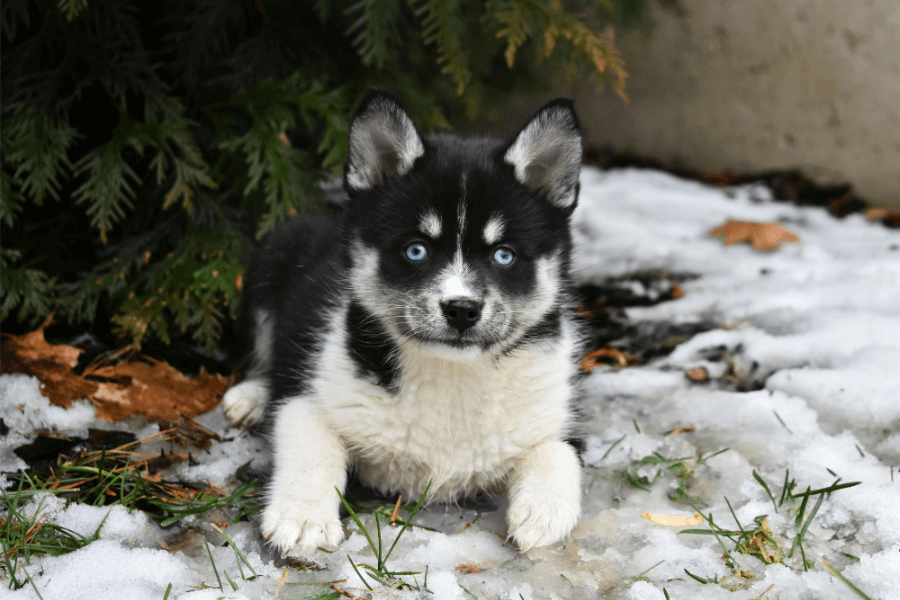
Unlike their Husky and Pomeranian parents, Pomskies are typically small to medium-sized dogs, perfect for families concerned about space constraints.
On average, a full-grown Pomsky weighs between 15 and 30 pounds, with males generally being larger than females.
These delightful companions come in three size categories: toy, miniature, and standard.
Toy Pomskies typically weigh under 10 pounds and stand about 8 inches tall – ideal if you’re worried about your dog not eating much or experiencing constipation due to size.
Miniature Pomskies average 15 pounds and reach about 12 inches in height, perfect for dog cafes or introducing a puppy to an older dog without intimidation.
Standard Pomskies can reach up to 30 pounds and stand 15 inches tall, energetic enough for dog swimming pools but not so large they’ll frighten neighbors if experiencing reverse sneezes or puppy barking phases.
When selecting your Pomsky, consider which size best suits your lifestyle and home environment.
Upkeep
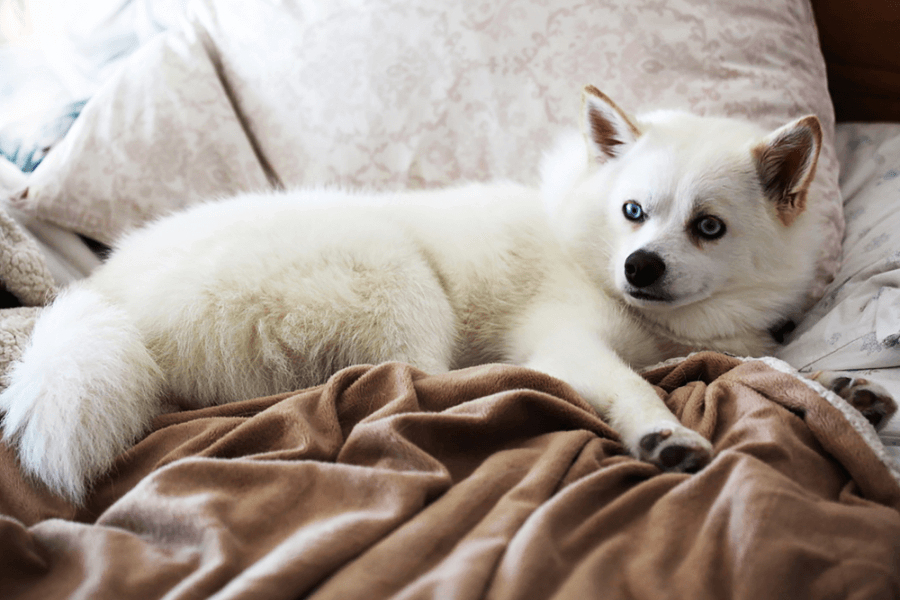
These fluffy bundles of energy are a mix of Pomeranian and Husky, inheriting the playful nature of both breeds.
Like any puppy, a Pomsky needs proper training early on to prevent issues like excessive barking or aggression when they encounter other dogs.
If you notice your Pomsky puppy having hiccups, don’t worry—this is common in young dogs and usually resolves on its own.
However, be vigilant about their health; signs like vomiting, fever, breathing fast, or blood in urine or blood in poop warrant immediate veterinary attention.
Always keep harmful substances away from your curious Pomsky, as emergencies like “my dog ate chocolate” or “dog ate grape” can be life-threatening.
When introducing your Pomsky puppy to an older dog, do so gradually in a neutral space to minimize tension.
Pomskies can be prone to yeast infections in their ears due to their fluffy nature, so regular cleaning is essential.
These intelligent pups learn quickly—teaching your puppy their name and basic commands can be accomplished through consistent, positive reinforcement.
During your Pomsky’s pregnancy, extra care and veterinary supervision are crucial.
Despite their small size, Pomskies need regular exercise to prevent boredom—a tired Pomsky is less likely to react to neighbors’ dogs barking or develop destructive behaviors.
Remember that finding reputable Pomsky puppies for sale from ethical breeders ensures healthier pets and supports responsible breeding practices.
Health
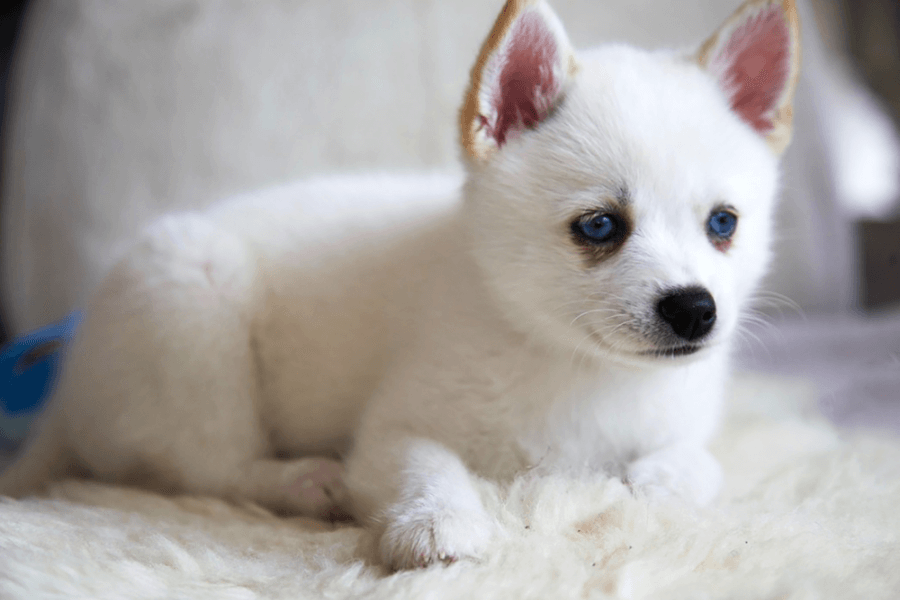
About 1 in 5 Pomskies may develop joint issues as they age, particularly in their hips and knees, similar to their Husky parentage.
These adorable companions are prone to eye conditions (including dog eye gunk), thyroid imbalances, skin allergies, and occasional yeast infections that require prompt veterinary attention.
If you notice blood in poop or your Pomsky having seizures, seek immediate veterinary care, as these could indicate serious health concerns.
When introducing your Pomsky puppy to an older dog, do so gradually in neutral territory to prevent dog aggression and ensure a harmonious household.
To teach puppy name recognition effectively, use positive reinforcement and consistent repetition during training sessions while your Pomsky is still young.
Pomsky puppies typically complete teething around 6 months, though they may continue chewing until 2 years of age as part of their development.
It’s normal for Pomsky puppies to sleep 18-20 hours daily, which allows their bodies to grow and develop properly.
For puppies with digestive issues, a bland diet of white rice and boiled chicken provides excellent pain relief and helps regulate their system.
If you notice your Pomsky suddenly unwilling to play, experiencing dog farts, or refusing to eat, they might be sick or catching cold, warranting a veterinary visit.
Vaccination against parvo virus and other diseases should begin at 6-8 weeks, with boosters every 2-4 weeks until 16 weeks of age.
Consider spaying or neutering your Pomsky around 6-12 months to prevent unwanted puppies and reduce certain health risks.
Pet insurance is highly recommended for Pomsky owners to cover unexpected health events and regular care.
To stop puppy barking that might disturb neighbors, consistent training and proper stimulation ensure your dog having fun without becoming a nuisance.
When traveling, a reliable pet taxi service can transport your Pomsky to veterinary appointments or dog bakeries for special treats.
History
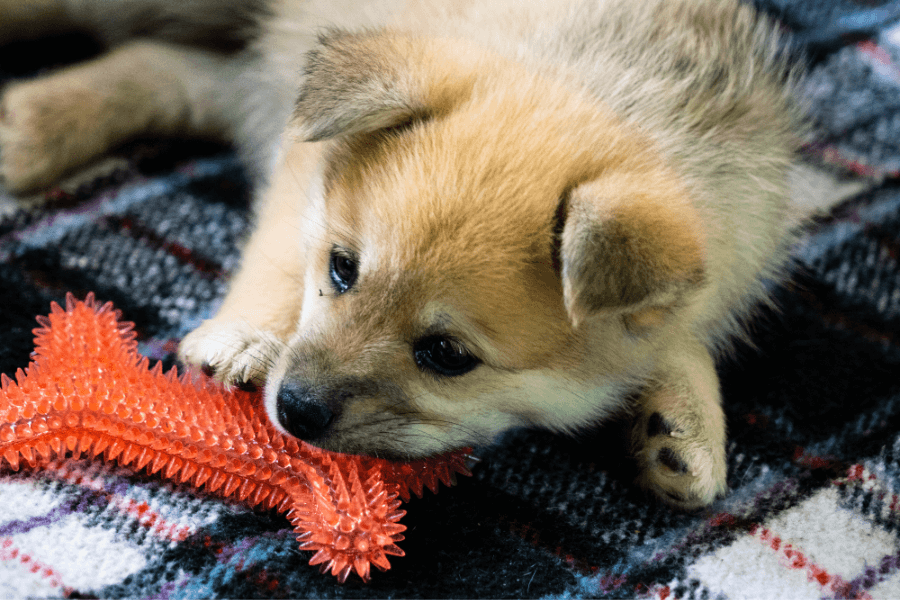
Though the exact origins are unclear, the breed emerged in popularity around the early 2010s as pet owners sought smaller versions of the majestic Husky.
These adorable companions combine the Pomeranian’s compact size with the Husky’s striking appearance, making them ideal for families with limited space who wanted to avoid excessive dog poop management.
When you introduce a Pomsky puppy to an older dog, their adaptable nature typically allows for smooth transitions.
The breed gained recognition among dog enthusiasts for their intelligence and relatively low rates of common issues like yeast infections.
Unlike situations with neighbors’ dogs barking excessively, Pomskies can be trained to be considerate companions with proper socialization and training techniques.
The Pomsky continues to grow in popularity as a cherished family pet.
Exercise
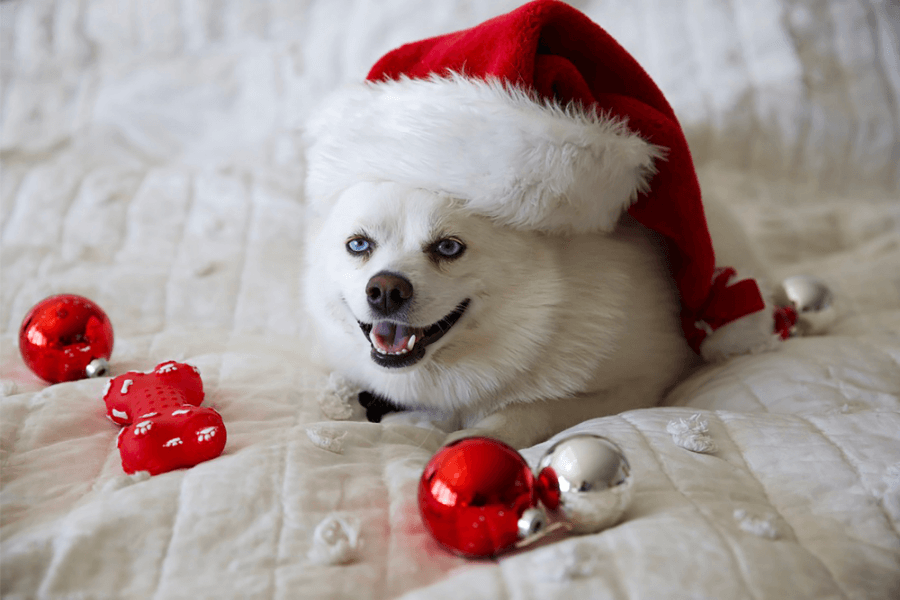
Pomsky puppies have boundless energy and require regular activities to prevent behavioral issues like excessive barking that might disturb your neighbors.
When introducing your Pomsky puppy to an older dog, always supervise their interactions and provide separate spaces initially.
Start with short exercise sessions – the rule of thumb is 5 minutes per month of age, twice daily.
For a 3-month-old Pomsky, aim for 15-minute play sessions to avoid overexertion of developing joints.
Indoor activities like fetch, hide-and-seek, or puzzle toys are perfect for apartment living and rainy days.
Be mindful that Pomskies can be prone to skin issues, including yeast infections, if they get too sweaty without proper grooming after exercise.
As they grow, gradually increase activity levels with longer walks, supervised off-leash play, and interactive training sessions.
A well-exercised Pomsky is a happy companion, less likely to engage in destructive behaviors or excessive barking that could bother your neighbors.
Training
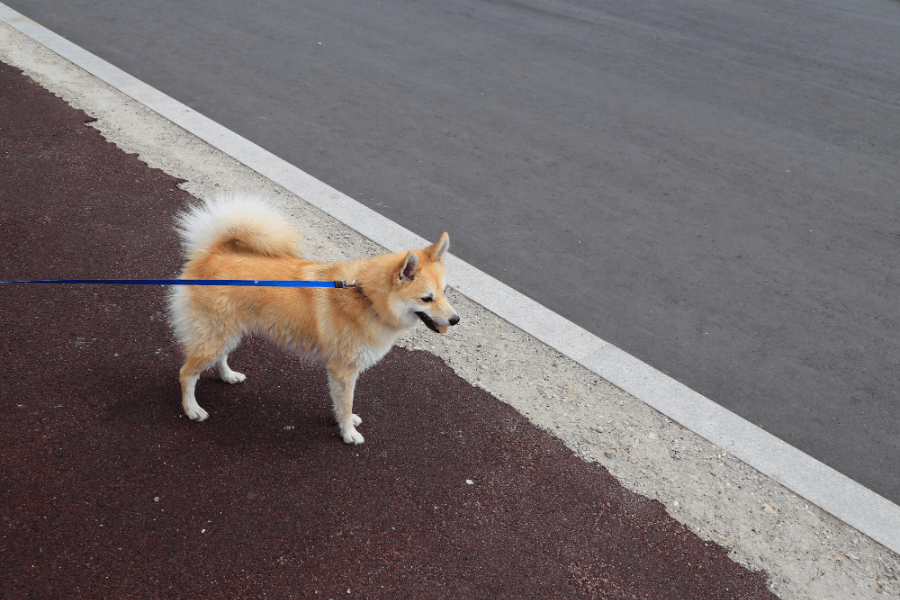
You can opt for professional training where experts guide your puppy, or tackle the training journey yourself with patience and consistency.
While these adorable hybrids respond well to positive reinforcement, they inherit the stubborn streak from their Husky parentage, making basic command training require extra persistence.
Pomskies thrive when socialized early with various people and situations, helping prevent potential issues like excessive barking which might otherwise annoy you as much as a neighbor’s dog barking all day.
These fluffy companions have big personalities in medium-sized packages.
They crave attention and will follow you around seeking interaction, which makes them lovable companions but can complicate focused training sessions.
When introducing your Pomsky puppy to an older dog, do so gradually in neutral territory, allowing both pets to adjust at their own pace.
For housetraining success, establish a consistent routine, recognize your Pomsky’s signals, use the same outdoor spot, reward successes generously, and avoid punishment for accidents.
Keep health considerations in mind – Pomskies can be prone to skin issues, and without proper grooming, may develop conditions like yeast infection in their dense coat.
For leash training, keep treats handy, position your Pomsky beside you, and offer rewards for walking properly without pulling.
Remember that normal puppy nipping is developmental, but consistent redirecting is essential to prevent problematic behaviors as your Pomsky matures.
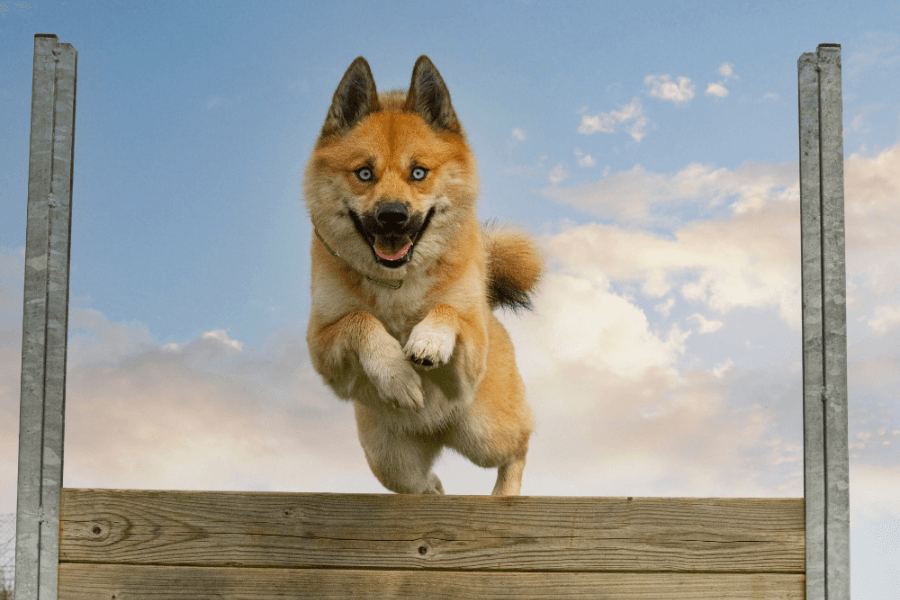
With proper training and socialization, your Pomsky will become a well-adjusted family member bringing joy and companionship for years to come.
Nutrition
Before bringing a Pomsky puppy home, consulting with a veterinarian about their specific dietary needs is highly recommended.
Exercise plays a crucial role in your Pomsky’s nutrition plan, as these energetic pups need regular activity to maintain a healthy weight and prevent boredom that might lead to your neighbors dog barking due to excess energy.
Many Pomsky owners consider home-prepared meals, believing they offer superior nutrition compared to commercial options.
However, this isn’t necessarily true for every situation.
While homemade diets can be beneficial when properly balanced, high-quality commercial foods formulated for small to medium active breeds often provide complete nutrition tailored to your Pomsky’s needs.
Pomsky puppies should eat 3-4 small meals daily, transitioning to 2 meals as adults, with seniors possibly needing fewer depending on their activity level.
When you introduce puppy to older dog in your household, maintain separate feeding areas to prevent resource guarding and ensure each pet gets their appropriate diet.
Avoid sharing human food with your Pomsky, as many common ingredients can be harmful to these sensitive pups.
When changing your Pomsky’s food, transition gradually over 7-10 days to avoid digestive upset.
Puppies typically transition to adult food between 9-12 months when they approach their full size.
To prevent bloating in your Pomsky, use floor-level dishes, avoid single large meals, discourage rapid eating, and limit vigorous activity after meals.
Foods your Pomsky should never consume include xylitol (found in many sugar-free products), chocolate, caffeine, onions, garlic, raw meat, grapes, raisins, salty foods, and nuts, as these can cause serious health issues or even be fatal.
Children And Other Pets
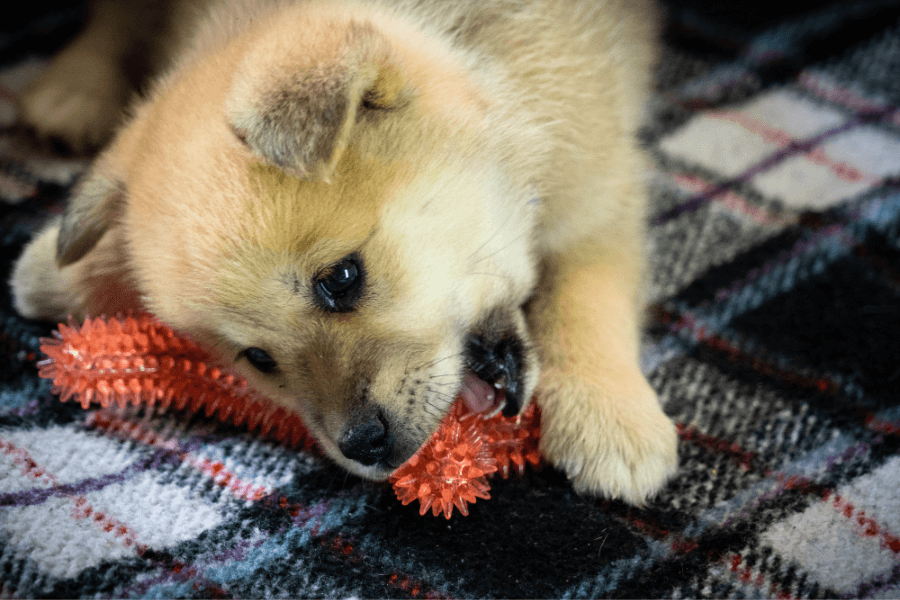
While their adorable mixed heritage makes them appealing, understanding how they fit into a family dynamic is essential for harmonious living.
Pomskies generally adapt well to family environments and can develop wonderful relationships with children when properly socialized from puppyhood.
However, supervision is always recommended as these energetic puppies may accidentally knock over smaller children during play.
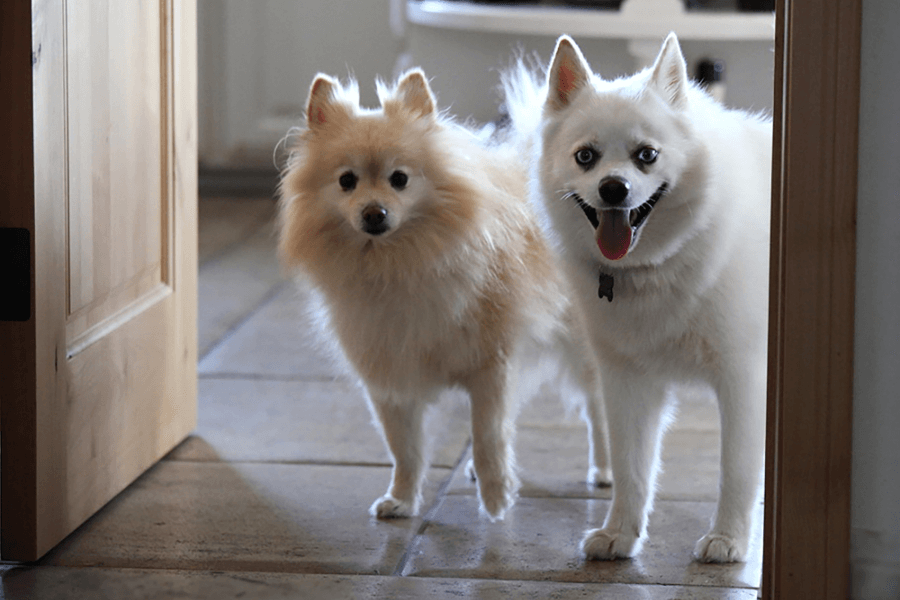
When it comes to other pets, Pomsky puppies typically demonstrate good compatibility, particularly with animals they’ve been raised alongside.
Their sociable Husky lineage often makes them friendly, though their Pomeranian side might occasionally show assertiveness with larger dogs.
Early socialization is key – consider puppy playdates or training classes where your Pomsky can interact with various dogs in controlled settings.
For families with cats, a gradual introduction process works best, allowing both animals to adjust to each other’s presence.
Remember that each Pomsky has a unique personality shaped by both genetics and upbringing.
Some may be natural companions for all family members – furry or human – while others might prefer being the solo pet receiving all your attention.
Other popular breeds
LABRADOODLE
BICHON
YORKSHIRE TERRIER